 Breastfeeding Basics
Ask Anne…
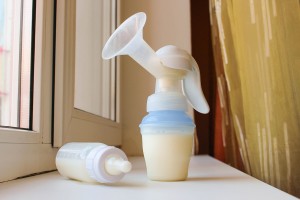 When I pump, I only get 1 ounce per side. I am worried because I am returning to work in 2 weeks and I’m not going to have enough breast milk to get her through the day while I’m at work. She must be getting more than 1 ounce per when I nurse her, because she’s a big baby (97th percentile). I use a manual pump, and I do feel my milk let down, but when I pump I stop at exactly 1 ounce per side!
Also, I have a few questions about storing my expressed milk.
1. Is it okay to pump my milk and then put the pump and milk in the refrigerator and then pump again into that same bag later on in the day? In other words, can I pump body temperature milk in to refrigerated milk? I want to avoid having a bunch of 2 1 ounce bags instead of full 4 ounce bags.
2. Can I combine two different bags of milk to make one bottle?
3. How long can I keep milk in the refrigerator before it spoils?
Answer: Since your baby is gaining weight so well, you’re probably correct in assuming that she is getting more than an ounce on each side when she nurses. One problem may be the type of pump you are using. Manual pumps are portable and relatively inexpensive. They are fine for occasional use, or for the mother who has an abundant milk supply and an efficient let-down reflex.
It’s important to remember that no breast pump is as efficient as the baby at removing milk, and manual pumps are generally less effective than electric ones. Typically, mothers find that they can get some milk out with a manual pump, but they don’t empty the breasts completely the way a good electric pump does. Manual pumps may not be adequate for expressing your milk while you are at work.
If you are going to be pumping regularly, or if time is an important consideration (as it usually is when you re pumping at work), then you might want to consider renting or buying a larger, more efficient (and more expensive) professional or hospital grade pump. Double pumping is an important feature. Not only does it cut your pumping time in half (from 20-30 minutes with single pumping) to 10-15 minutes or less, but your prolaction levels are higher when you double pump, so you actually produce more milk in less time. This is especially important when you are pumping frequently, or when you are working and have limited break time in which to pump.
To answer your storage questions:
- You can pump directly into refrigerated milk as long as you add the milk within 24 hours of when the original milk was expressed. If milk has been stored at room temperature, you can pump directly into it as long as you do it within 8-10hours. You then need to use the milk as soon as possible.
- Fresh milk can be kept in the refrigerator for up to eight days. If you plan to use the milk within eight days, don’t freeze it. If you do plan to freeze it, do so within 24-48 hours of expressing it. The sooner you freeze it, the better.
- You can add fresh milk to a container of frozen milk as long as there is less fresh milk than frozen. For example, you can add 2 ounces of fresh milk to 4 ounces of frozen, but not4 ounces of fresh milk to 2 ounces of frozen. You don’t want it to thaw and then refreeze .Cool the milk for 30 minutes before you add it. Label each container with the date it was expressed.
If you are taking your expressed milk to day care, put your baby’s name on the label. Since the composition of human milk changes to meet your baby’s needs as he grows, always use the freshest milk possible. That means using the oldest milk first.
There are many ways to increase your milk supply before returning to work, including using different types of pumps, and herbal remedies like Fenugreek. Experiment to find out what works best for you, and best of luck. Continuing to nurse your baby after you go back to work isn’t easy, but the benefits of breastfeeding make it well worth the effort!
Anne Smith, IBCLC
Breastfeeding Basics