 Breastfeeding Basics
Ask Anne…
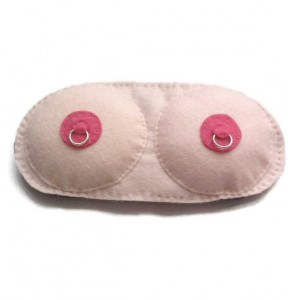 Question: I had my nipples pierced when I was a teenager. Now I’m in my 20s and thinking about having a baby. Can I breastfeed my baby with pierced nipples?
Answer: There is no evidence that established pierced nipples will affect your ability to breastfeed, although milk may leak out of the hole. Try to prevent engorgement and plugged ducts, because nipple piercing may make these conditions more of a problem. Your breasts will still produce adequate milk for your baby, and unless your body rejected the piercing right after you had it done, there is no reason to anticipate any additional problems with infection. Horizontal piercings are more common than vertical, and seem to be more compatible with nursing.
If you are thinking about getting having your nipples pierced and having a baby, get the piercing done at least a year before pregnancy. The piercing can take up to a year to heal before the hormonal changes of pregnancy occur. Reputable piercers will not pierce a woman who is pregnant. The wound needs time to heal, and the baby’s saliva may cause infection if it enters the piercing site. The jewelry must stay in place while the wound heals, and this is hard to do if the baby is nursing often.
You will need to remove the jewelry when you nurse. It will be difficult for your baby to form the nipple and press it against the roof of his mouth if there is a piece of metal in the way. Latching on correctly at the breast is a skill that newborn babies have to learn, and it can take awhile for them to get the hang of it even with an unpierced nipple. While it may be possible for him to latch onto a nipple with jewelry in it, it will make it more difficult for him, and may cause pain as the ring presses against the soft tissue of his tongue and palate. Healthy babies are born with a very strong suck, and it’s entirely possible that the ring could dislodge while he’s nursing and he might choke on it.
It would be best for you to remove the rings completely for the first few weeks of nursing. Newborn babies nurse a lot (10-12 times or more in 24 hours) and it would be a hassle to keep taking them in and out that often.
Once your milk supply is established and your baby isn’t nursing as often, you can replace the rings between feedings if you want to. I can’t guarantee that the holes won’t grow back together in that time, but if you replace the jewelry once a day and then take it out, that should help keep the holes open. You can also use an insertion taper.
As far as different types of jewelry goes, it is best to use titanium, nickel-free gold, platinum, niobium or surgical stainless steel jewelry because many people are allergic to nickel, which is commonly used in jewelry manufacturing. You would have to ask your piercer about what designs are easiest to take in and out, but remember that the rings that are easiest to remove are also the ones most likely to come out in the baby’s mouth, so be sure to take them out before nursing.
As with any body modification procedure, make sure that you go to a reputable practitioner who follows all safety procedures such as sterilizing equipment in order to protect against diseases such as hepatitis and HIV.
Anne Smith, IBCLC
Breastfeeding Basics