 Breastfeeding Basics
Ask Anne…
 Question: My baby is 3 months old and I have just returned to work. I’m afraid I’m losing my milk because she isn’t gaining weight well. Will Fenugreek increase my milk supply? Is it really safe to use while I’m nursing? If so, how much do I need to take?
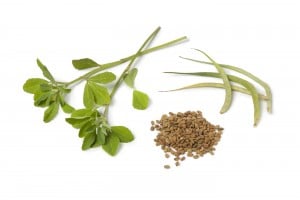
Answer: Fenugreek is a herb that has been used for hundreds of years by nursing mothers to increase their milk supply. The most common reasons for low milk supply are not nursing often enough, illness, fatigue, stress and returning to work, so these factors should be addressed before turning to herbal supplements to increase supply. Although there are no scientific studies to prove that Fenugreek works, it is believed to contain hormone precursors that boost milk production. Some researchers think that it increases supply because the breast is a modified sweat gland, and it is known that Fenugreek increases sweat production.
Fenugreek is listed in the US as a herbal remedy that is “generally regarded as safe.” However, as with all medications and herbs, it can cause side effects in some women. The most common side effect is a maple syrup odor in urine and sweat (this is not a bad thing, it just means that the proper dosage has been reached). It also can cause diarrhea, aggravate asthma, or hypoglycemia. Mothers who suffer from asthma or diabetes, or who are allergic to peanuts, should probably not take Fenugreek. Pregnant women should not take Fenugreek because it can cause uterine contractions.
Fenugreek is usually taken in capsule form since the pills are more potent than the tea, and the tea has a bitter taste. The usual dosage is 2-4 capsules 3 times a day. The capsules are usually 580-610 mg each, and can be found at most health food stores.
If the Fenugreek is going to be effective, an increase in milk supply will usually be seen within 24-72 hours after the mother starts taking it. It seems to work well for many women, but I have rarely seen dramatic increases with it. Mothers seldom go from producing drops to producing ounces after taking Fenugreek, and anyone who is concerned about their milk supply should make sure to address possible causes such as baby not nursing effectively, maternal medications, not feeding frequently enough, using an ineffective breast pump, etc.
For additional information regarding causes of and solutions for low milk production, See article Increasing Your Milk Supply.
Anne Smith, IBCLC
Breastfeeding Basics